Formula 1 will implement new electrical energy management rules starting at the Miami Grand Prix on May 3, aimed at making qualifying a more genuine test of driver skill and reducing high-speed crash risks during overtaking.
The changes, announced Monday by the FIA following meetings with teams, engine manufacturers, and Formula One Management, require approval from the World Motor Sport Council — a step considered a formality given broad support. They address two major criticisms of the current hybrid era: that qualifying has become a strategic battery-recharging exercise rather than a flat-out lap, and that dramatic speed differences between cars on different power modes create dangerous closing speeds.
“These measures are designed to reduce excessive closing speeds while maintaining overtaking opportunities and overall performance characteristics,” the FIA said in a statement.
A key technical adjustment allows faster energy recovery at high speeds while capping the total recharge per lap. The goal, per the FIA, is “reducing excessive harvesting (of energy) and encouraging more consistent flat-out driving.” That approach closely mirrors recommendations made last week by Mercedes driver George Russell, who is a title contender in the 2026 season.
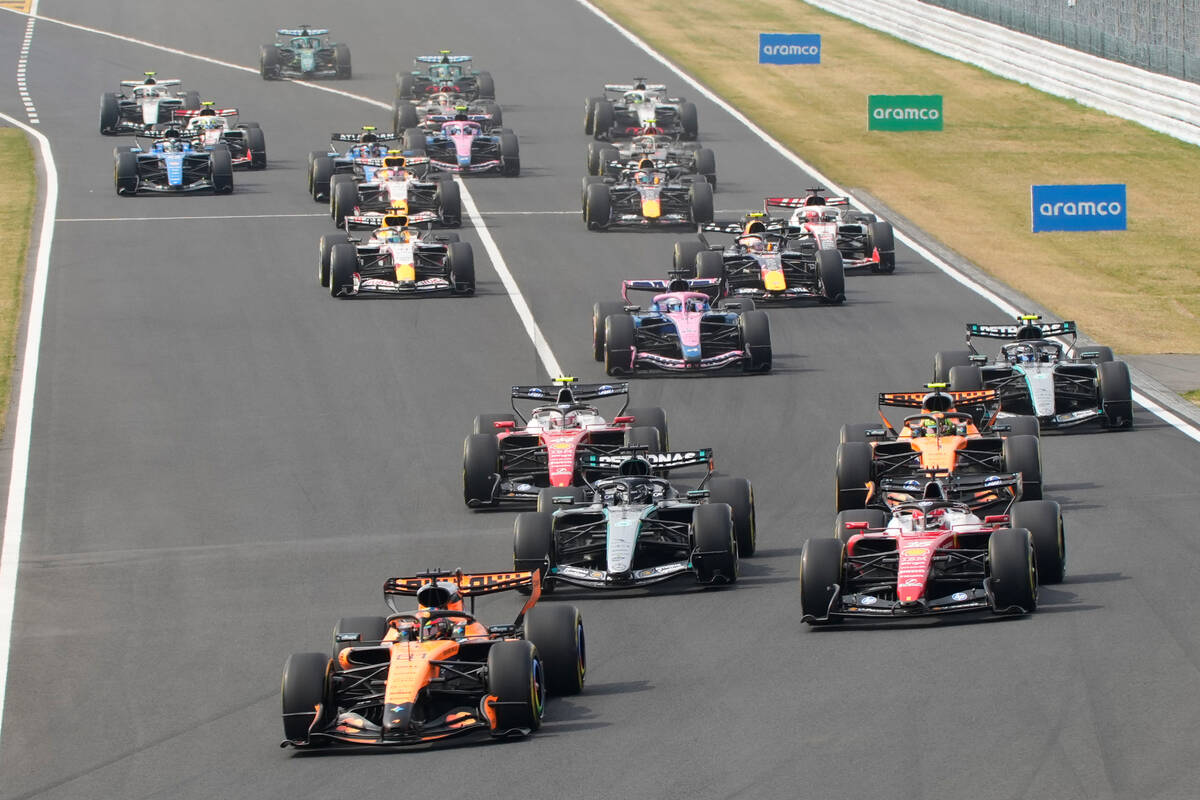
Safety upgrades follow a dramatic incident at the Japanese Grand Prix, where Oliver Bearman was forced off track to avoid Franco Colapinto’s significantly slower car. In response, the FIA has imposed a cap on the extra power available from the overtake “boost” mode and introduced other limits on electrical output in specific zones.
Additional safety measures for wet-weather driving will also debut in Miami, along with a trial of systems to reduce the risk of crashes at the start: a boost for slow-starting cars and a visual warning for drivers.