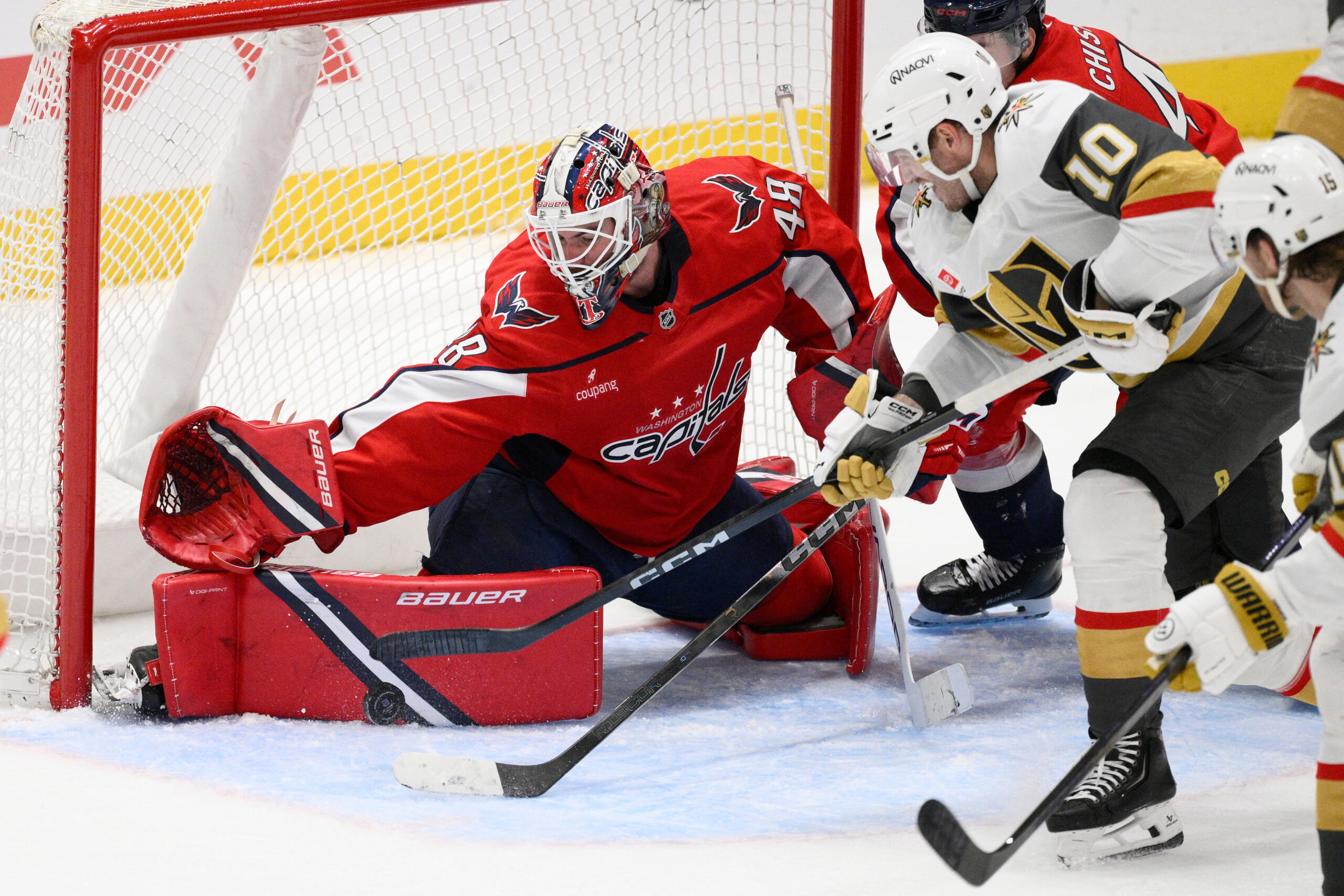

The Vegas Golden Knights enter a critical stretch, with 16 games scheduled in March beginning Sunday against the Pittsburgh Penguins. The NHL trade deadline on Friday adds another layer of complexity as the team navigates new salary cap rules that limit use of long-term injured reserve (LTIR) for cap relief.
Under the league’s updated regulations, teams can only use season-ending LTIR for cap space, which requires the player to be ruled out for the remainder of the regular season and playoffs. This rule change directly impacts the Knights’ ability to make moves, particularly regarding center William Karlsson, who has not played since Nov. 8.
Karlsson’s status remains uncertain, with conflicting reports suggesting he could be done for the year or potentially return for the playoffs. The Knights have not placed him on season-ending LTIR, preserving the possibility of his return. If they do, it would free up roughly $3.5 million in cap space to acquire a replacement.
General manager Kelly McCrimmon faces limited assets after the January trade for defenseman Rasmus Andersson, which cost the team future first-round picks. The Knights currently hold picks in the second, third, fifth, sixth, and seventh rounds of this year’s draft, but their ability to make a significant addition is constrained.
A top-nine forward, particularly a center, remains the most pressing need given injuries to Karlsson and Brett Howden (lower body, on LTIR but eligible to return). Adding scoring depth in the middle of the lineup is a logical target.
In goal, the Knights have three netminders on the roster: Adin Hill (returning from injury), Akira Schmid (the most consistent performer this season), and Carter Hart (on injured reserve but nearing return). A goaltending move is considered unlikely but not impossible.
The Knights’ blue line is considered set, and goaltending may be solidified. The focus remains on forward depth, with the Karlsson situation the central question ahead of Friday’s 12 p.m. PT deadline.