NEW YORK — The WNBA is poised to have its first million-dollar players after the league and its players’ union reached an agreement in principle on a transformative new collective bargaining agreement early Wednesday morning. The deal, finalized after more than 100 hours of negotiations over eight days, is expected to significantly boost player compensation.
According to a person familiar with the talks who spoke on condition of anonymity, top stars could earn a supermax of $1.4 million in the first year. The salary cap for the 2026 season is projected at $7 million, with average salaries exceeding $585,000 and a minimum salary of around $300,000—a fourfold increase from last season.
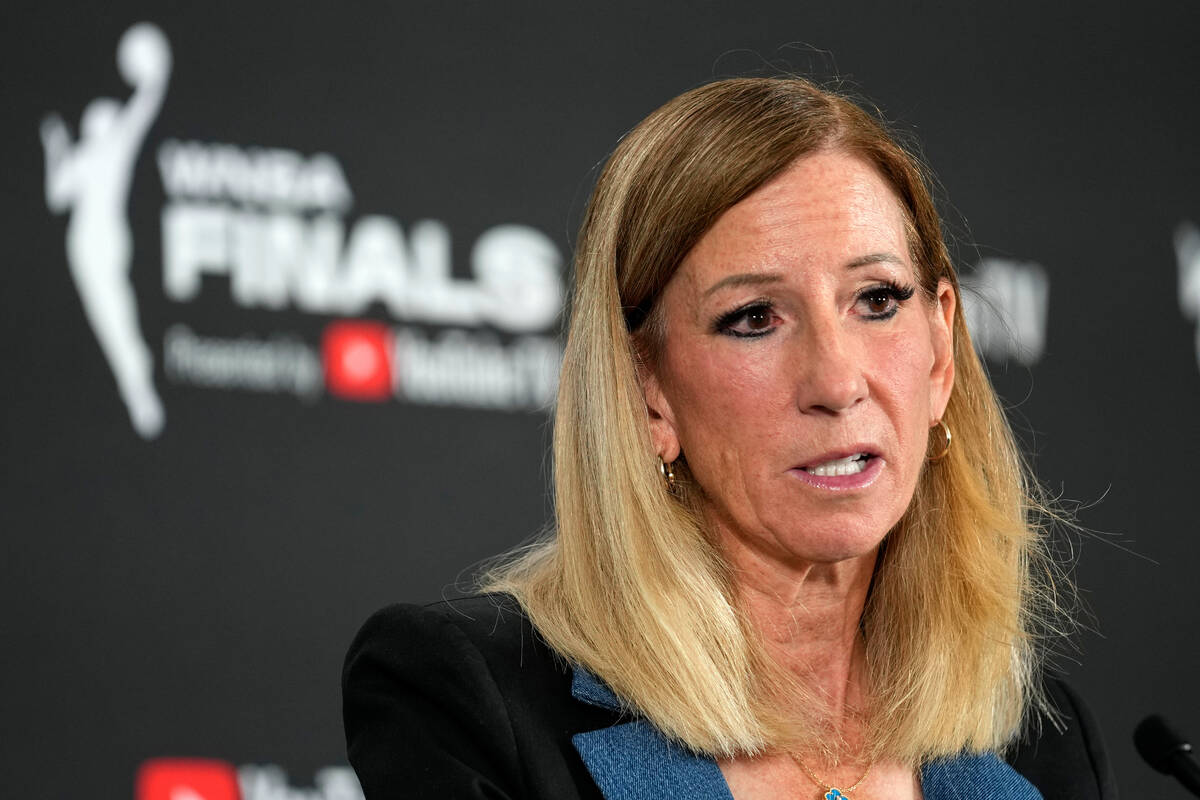
Commissioner Cathy Engelbert confirmed the alignment on key elements. “I just want to say we have aligned on key elements of a new collective bargaining agreement together. We still need to finalize a formal term sheet, but the progress made in these discussions marks a transformative step forward for players and the league,” she said.
Union president Nneka Ogwumike highlighted the revenue-sharing aspect. “For the first time player salaries are tied to a truly meaningful share of league revenue, driving exponential growth in the salary cap, increasing average compensation beyond half a million dollars and raising the standard across facilities, staffing and support,” she said.
The agreement reflects the league’s rapid growth in attendance, viewership, and investment. Union vice president Breanna Stewart called the deal “transformational,” adding that it will “build and help create a system where everybody is getting exactly what they deserve and more from on the court and off the court aspects.”
The two sides met for more than 10 hours Tuesday, reaching the agreement at about 2:20 a.m. Wednesday. They announced the deal jointly in a New York hotel lobby shortly before 3 a.m.
Revenue sharing had been the biggest hurdle, along with housing and franchise tags. Union executive committee member Alysha Clark noted, “We opted out because what we were giving to this league and what we were getting back didn’t match. You could feel the growth everywhere, but it wasn’t showing up for the players the way it should. So we stayed with it until it did.”
Executive committee member Brianna Turner expressed hope for the future: “I hope young girls and women see this and feel it, to know their voice matters, their value matters, and they don’t have to settle for less than that.”
The deal comes 17 months after players opted out of the previous agreement and five months after it was set to expire. Now, the league faces a sprint to opening day on May 8, with an expansion draft for new teams in Toronto and Portland, free agency for over 80% of players, and training camps opening April 19—six days after the college draft.